Paint Correction vs Polishing and Waxing: What Restores Clarity
Wax hides swirl marks for a few weeks, while correction removes them, and the difference decides how long the gloss lasts.
October 16, 2026 · 4 min read
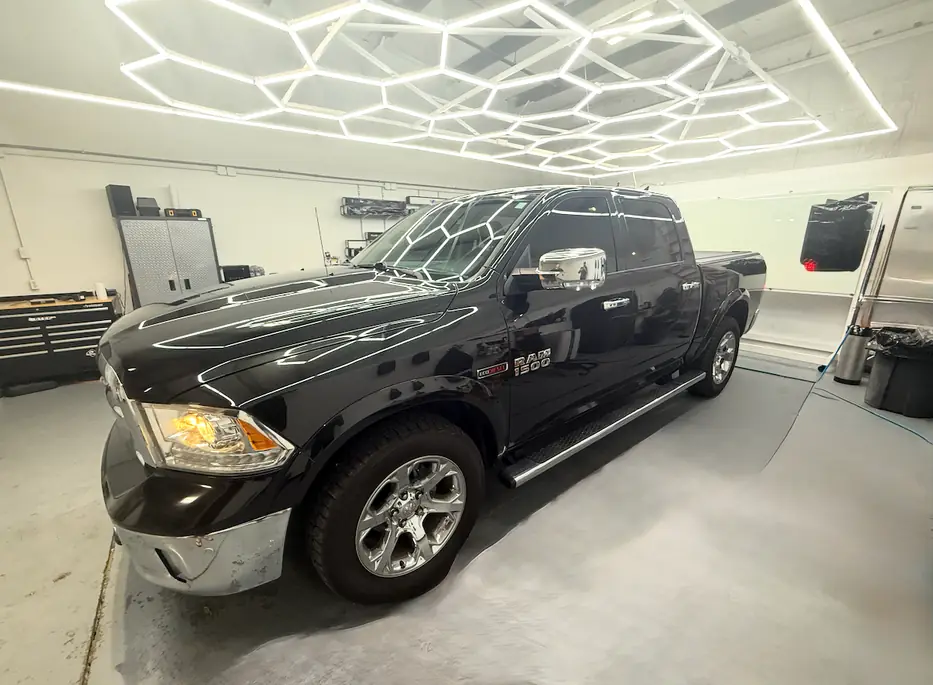
Plenty of cars look dull even though they get washed every week. Under direct sun or a phone flashlight, the paint is covered in fine circular scratches and the color looks flat. Owners often reach for wax or a quick polish. Sometimes that helps a little. Often it only hides the problem for a few weeks.
What swirl marks actually are
Swirl marks are fine scratches in the clear coat, the transparent top layer of modern paint. They come from dirty wash mitts, rough drying towels, automatic brush washes, and dust wiped off dry. Each one is tiny, but together they scatter light in every direction instead of reflecting it cleanly, and that scattering is why paint looks hazy and tired. Central Florida sun and dust make them easier to see and easier to cause.
What wax and polishing do
Wax adds a thin layer on top of the paint, much like a coat of polish on a table. It can fill very fine marks, add some warmth and gloss, and make the surface slick for a while. It does not remove a single scratch. When the wax wears off with washing and weather, the swirls are right where you left them.
Polishing uses a fine abrasive to refine the surface. A light polish can improve gloss and remove very fine marring, and it is the right tool for paint that is in decent shape. The word covers a lot of ground, though, from a quick one-step pass to careful, controlled work. Some polishes also contain fillers that mask marks temporarily, so the improvement may not survive a few washes.
What paint correction is
Paint correction is a deliberate process. The paint is inspected under proper lighting, the type and depth of the defects are judged along with how hard the paint is, and then the clear coat is leveled just enough to remove them. Depending on the condition, that can take one polishing stage or several, starting with a stronger step and refining down to a clean, uniform finish.
The goal is the least clear coat removed for the most improvement, because clear coat is finite and you cannot put it back. That is how DDM Services approaches it. Every correction starts with inspection, then washing and decontamination so bonded grit does not interfere with polishing, then the polishing and correction itself, then a final inspection for even gloss across every panel.
Where correction fits with coating and film
Paint correction is often paired with ceramic coating or paint protection film, and for good reason. Both seal in whatever is on the paint underneath, so you want that surface to be as good as it can be first. Our ELITE ceramic coating package includes an advanced multi-stage correction polish, and the ESSENTIAL package includes an enhancement polish. Before film goes on, if minor correction is recommended, we explain why and handle it first.
Correction has limits, and an honest shop will tell you where they are before the polisher comes out. A deep scratch you can catch with a fingernail may be too deep to level out safely. Correction can soften it, not erase it. Be wary of anyone who promises a perfect result on every car.
Which one does your car need?
- Wax alone: paint in good shape that you want slick and warm for a short stretch.
- A light polish: newer paint with only very fine marring.
- Multi-stage correction: dark, older or heavily swirled paint, or any car about to get a coating or film that you want to look its best underneath.
A good shop looks at the paint before recommending anything. We do not publish a flat price for paint correction, because the depth of the defects and the hardness of the paint change the time involved. Bring the car by or call, describe what you are seeing, and we will quote it honestly. Our paint correction page explains the three steps we follow.
Keeping corrected paint looking right
- Use clean wash mitts and rinse them often.
- Dry with a clean, soft towel or forced air, never by wiping dusty paint.
- Avoid automatic brush washes.
- Add protection soon after correction, either a ceramic coating or film, so everyday washing does not bring the marks back as fast.
- Plan on professional detailing every three to six months, which is what most vehicles benefit from depending on driving habits and exposure.
If your paint looks tired even though the car is clean, call DDM Services at (407) 337-5292 or send a request through the quote form on our contact page. We are at 1270 Belle Ave # 106 in Winter Springs, open Monday through Sunday, 8:00AM to 6:00PM.
DDM Services, (407) 337-5292
Call (407) 337-5292More articles
How Long Paint Protection Film Takes to Cure After Installation
Haze, tiny water pockets and soft edges in the first days are usually the film settling, and knowing what is normal keeps you from poking at it.
What Factors Affect the Total Cost of Window Tinting
A tint quote is built from a short list of choices, and once you know them you can compare shops on the same terms.